Acupuncture, decoded.
A 2,500-year-old practice, taken seriously by modern science.
Start here
What it actually is
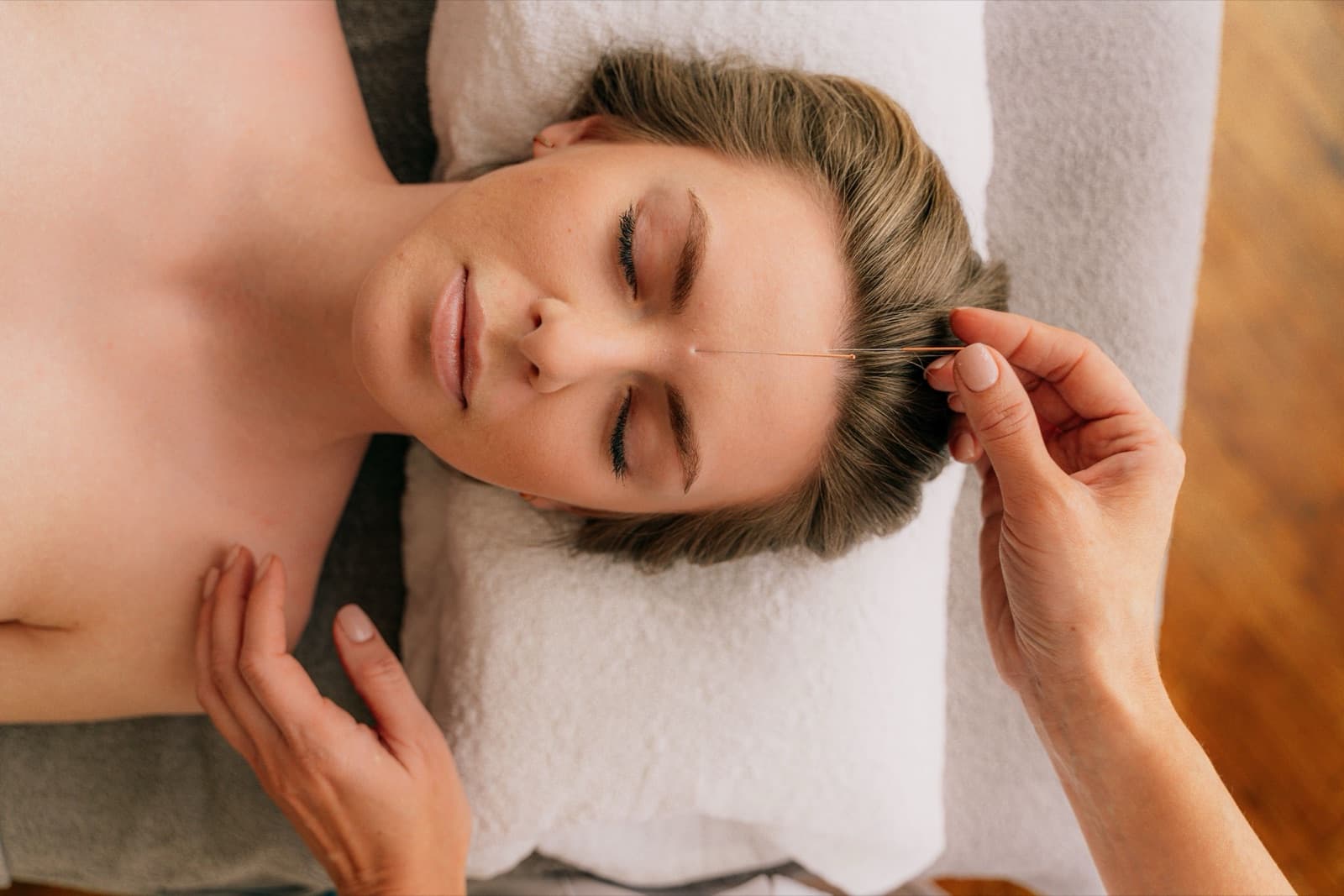
Acupuncture places hair-thin, single-use needles at specific points on your body. Nothing like the needle for a shot.
A first visit starts with a few questions, then the needles go in and you rest for up to half an hour. Most people come weekly for a stretch. It’s a 2,500-year-old practice that modern science is still catching up to.
Acupuncture is rarely the whole story. Explore the wider toolkit to keep you well
The mechanism
What's actually happening
Not magic, not just tradition. Here’s the modern science, in plain terms.
It talks to your nervous system
The needles stimulate your central nervous system, which responds by releasing your body's own chemistry.
Your body makes the medicine
That response includes endorphins, your natural painkillers, plus neurotransmitters that help regulate how you feel.
It changes pain signaling
Brain-imaging shows real effects on nervous-system activity, and the tissue around each needle responds too.
Not either/or
How it fits with regular medicine
This isn’t medicine versus acupuncture. The best way to think about it is two different jobs that work well together.
Conventional care
Usually targets a specific diagnosis with a specific tool: a drug, a procedure, a test. Precise and powerful for what it’s built for.
Acupuncture
Comes from a whole-body tradition and nudges your own systems to respond. Today it’s used as integrative care, alongside your regular team, not instead of it. Cleveland Clinic
The receipts
What the evidence actually shows
The strongest evidence is for managing and preventing flare-ups of conditions people already live with.
Chronic pain
Across 39 trials, it eased ongoing pain more than both no treatment and placebo needling. Its edge over placebo needling is relatively modest.
Migraine prevention
Added to usual care, it at least halved migraine frequency for 41 of 100 people, versus 17 of 100 on usual care alone. It may work about as well as some older preventive medicines, with fewer side effects.
Tension headaches
For frequent or chronic tension headaches, adding it to usual care about doubled how many people had their headache days cut in half. The edge over sham needling was smaller.
Low back pain
A major U.S. physician guideline lists acupuncture among the first non-drug options to try for chronic low back pain, before medication.
Nausea & vomiting
Stimulating one wrist point (PC6) can reduce post-surgery nausea. It works best alongside standard anti-nausea medicine, not instead of it.
Knee osteoarthritis
Guidelines list it as a conditionally recommended option, but some high-quality trials found no benefit over placebo needling.
Beyond pain
What else people come in for
This is where a lot of younger clients start. The evidence here is younger too, so we’ll be honest about what’s promising versus what’s proven.
Stress & anxiety
Plenty of people book a session simply to unwind. For diagnosed anxiety, reviews suggest a small-to-modest calming effect, but most trials are small and low quality, so treat it as a complement to usual care.
Better sleep
It may improve how rested you feel. The effect on measured sleep is less clear.
Facial & glow
Facial acupuncture is popular for tone and a fresh glow. The research so far is small and uncontrolled, and lasting anti-aging isn't proven yet.
Seasonal allergies
For a stuffy, sneezy allergy season, it may modestly ease nasal symptoms, and one review found people needed less allergy medication.
Workout recovery
Some athletes reach for it after hard training. Early studies hint at less soreness, though the evidence is limited and not all trials agree.
Period pain
A popular drug-free option for cramps. Honest caveat: high-quality trials haven't confirmed it works, so we won't pretend they have.
The bigger idea
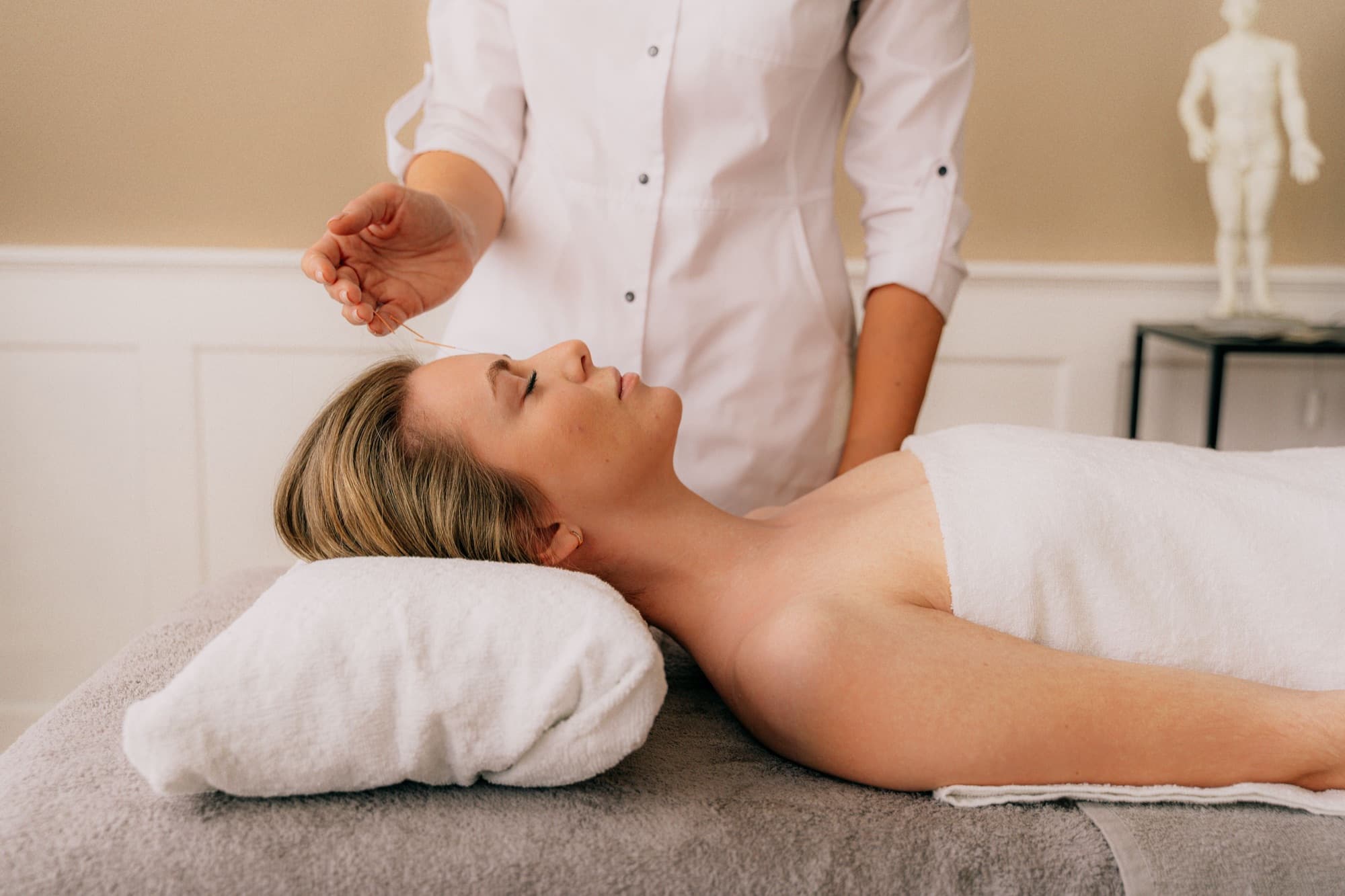
The point isn’t stopping one bad day. It’s having fewer of them.
Most people try acupuncture during a flare. But the strongest research points somewhere better: prevention. In the migraine studies, the real win wasn’t ending one attack, it was having fewer of them. Cochrane, 2016
That’s the whole KeepCare idea: care that keeps you ahead of a recurring problem, not just chasing it after it hits.
The wider toolkit
More ways to feel your best
Most acupuncturists train in a whole tradition of care, so a session often brings more than one approach. Here’s what else you might come across, with the honest evidence behind each.
Cupping
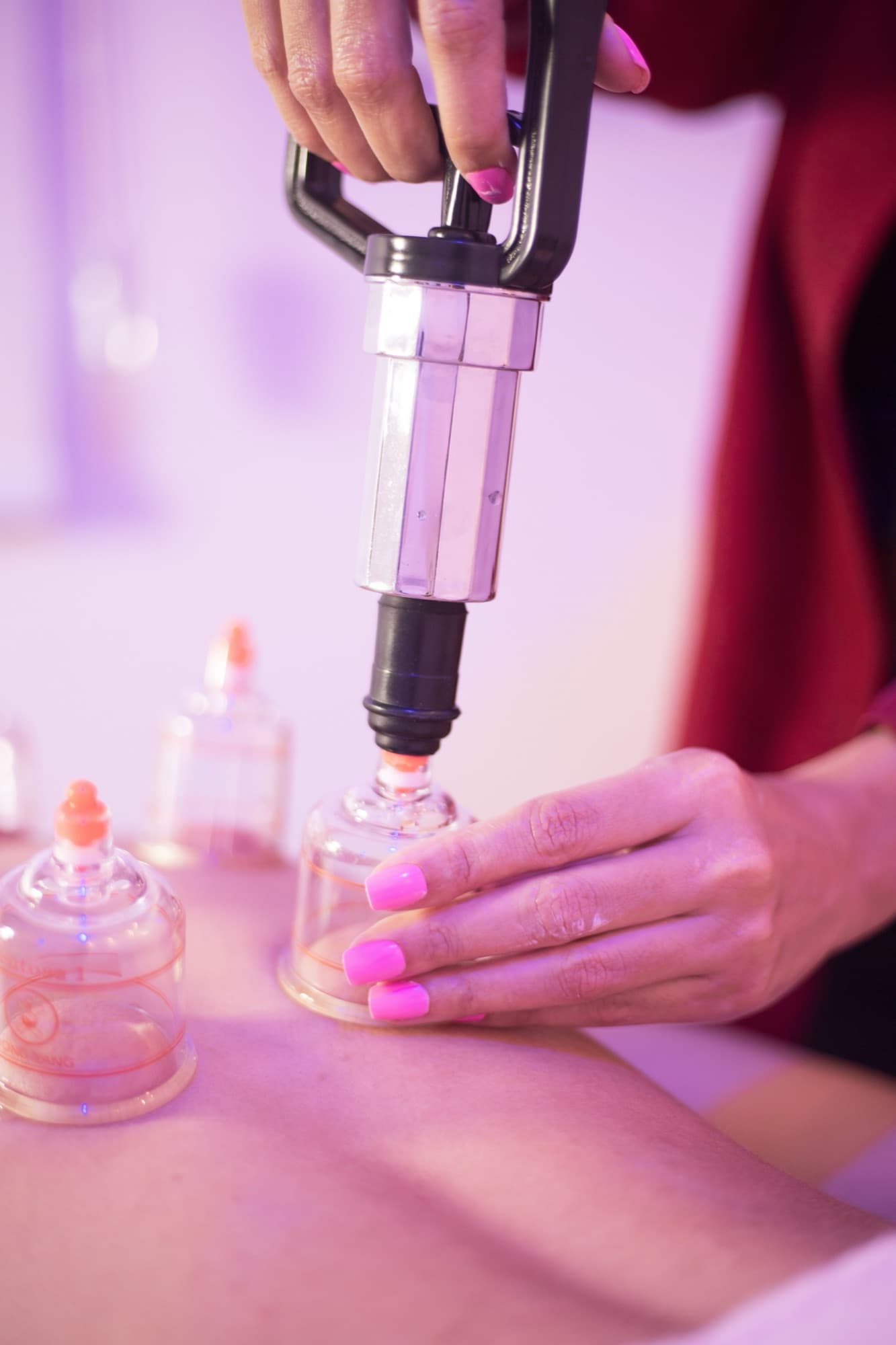
Gentle suction that gets blood moving.
Warmed cups create gentle suction that pulls fresh blood into tight, achy spots. People use it to ease sore muscles, neck, back, and shoulders, and the session itself tends to feel relaxing. Early evidence supports its use for muscle tension, with more research still building.
Meta-analysis, 72 RCTs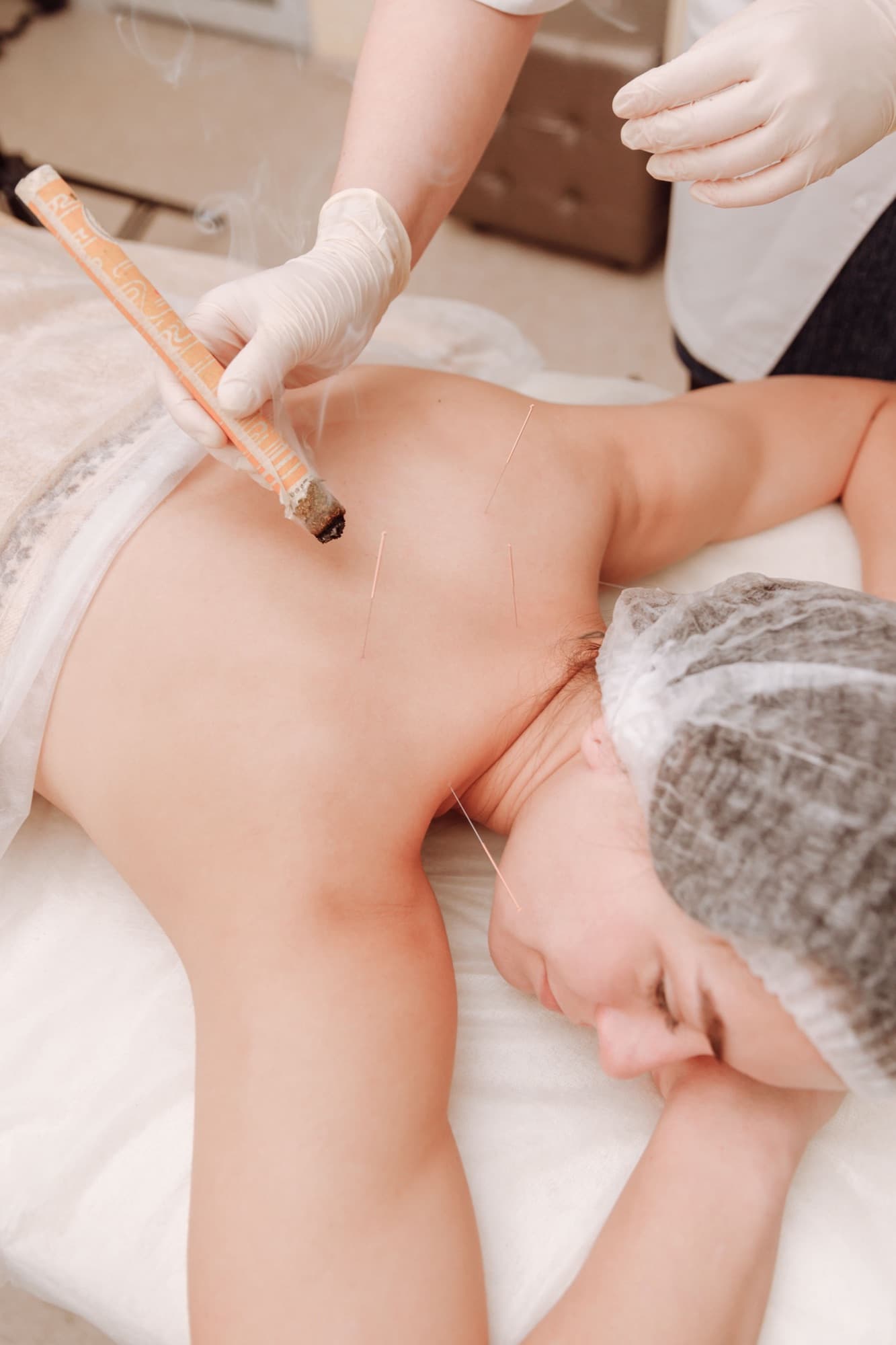
Moxibustion
Warming specific points with burning mugwort.
Dried mugwort is warmed just above the skin to send gentle, focused heat into a single point. Its best-studied use is a surprising one: added to usual care, it may help turn breech-position babies late in pregnancy. Otherwise it’s a traditional warming therapy for digestion and low energy.
Cochrane, 2023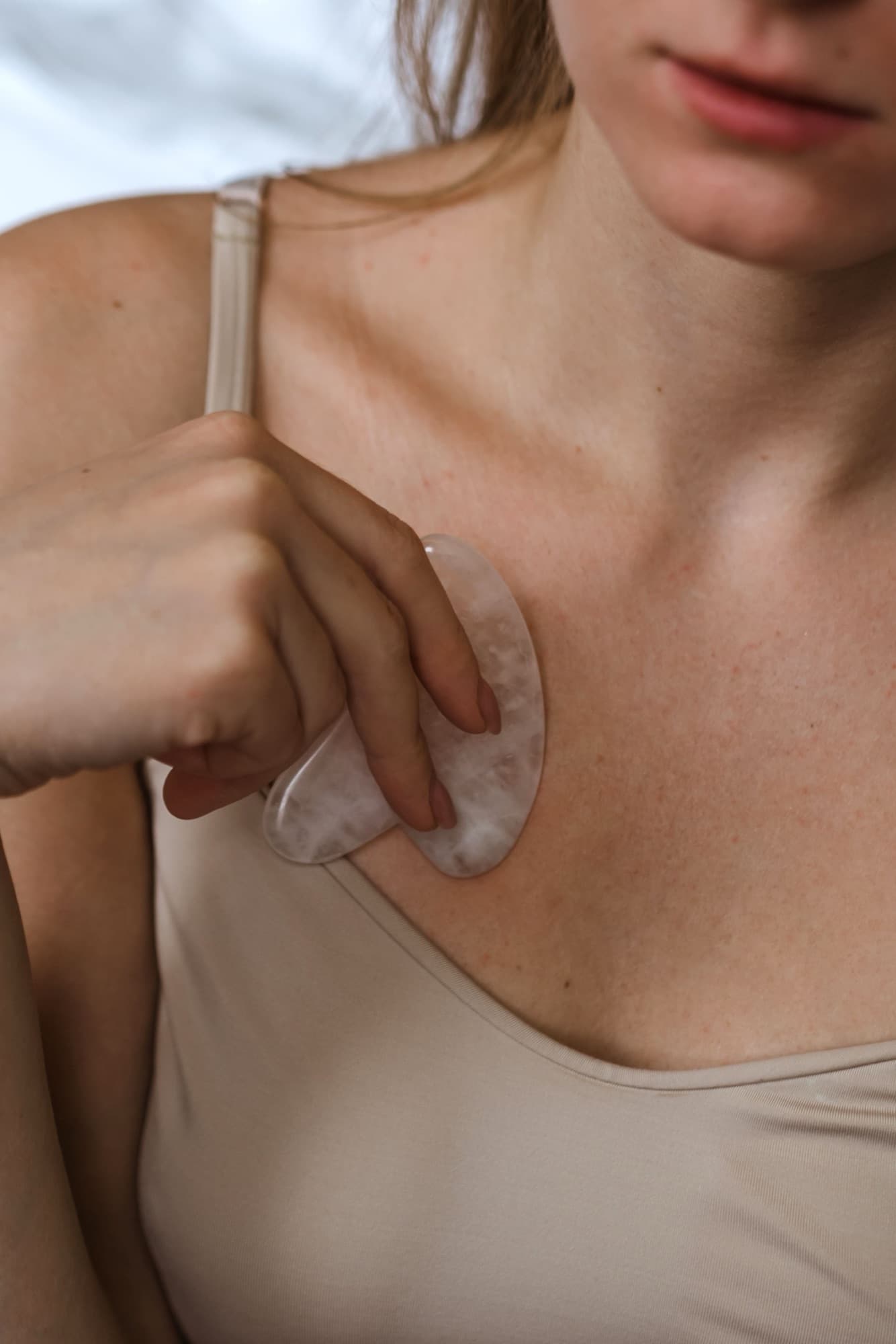
Gua sha
A smooth tool stroked along the skin.
A smooth-edged tool is stroked firmly along the skin to lift circulation and release muscle tension, most studied for a tight neck and shoulders, with early evidence that looks promising. The gentle facial version is a different, lighter technique, a lovely ritual many enjoy for a fresh, temporary glow, with more research still to come on lasting results.
Cleveland Clinic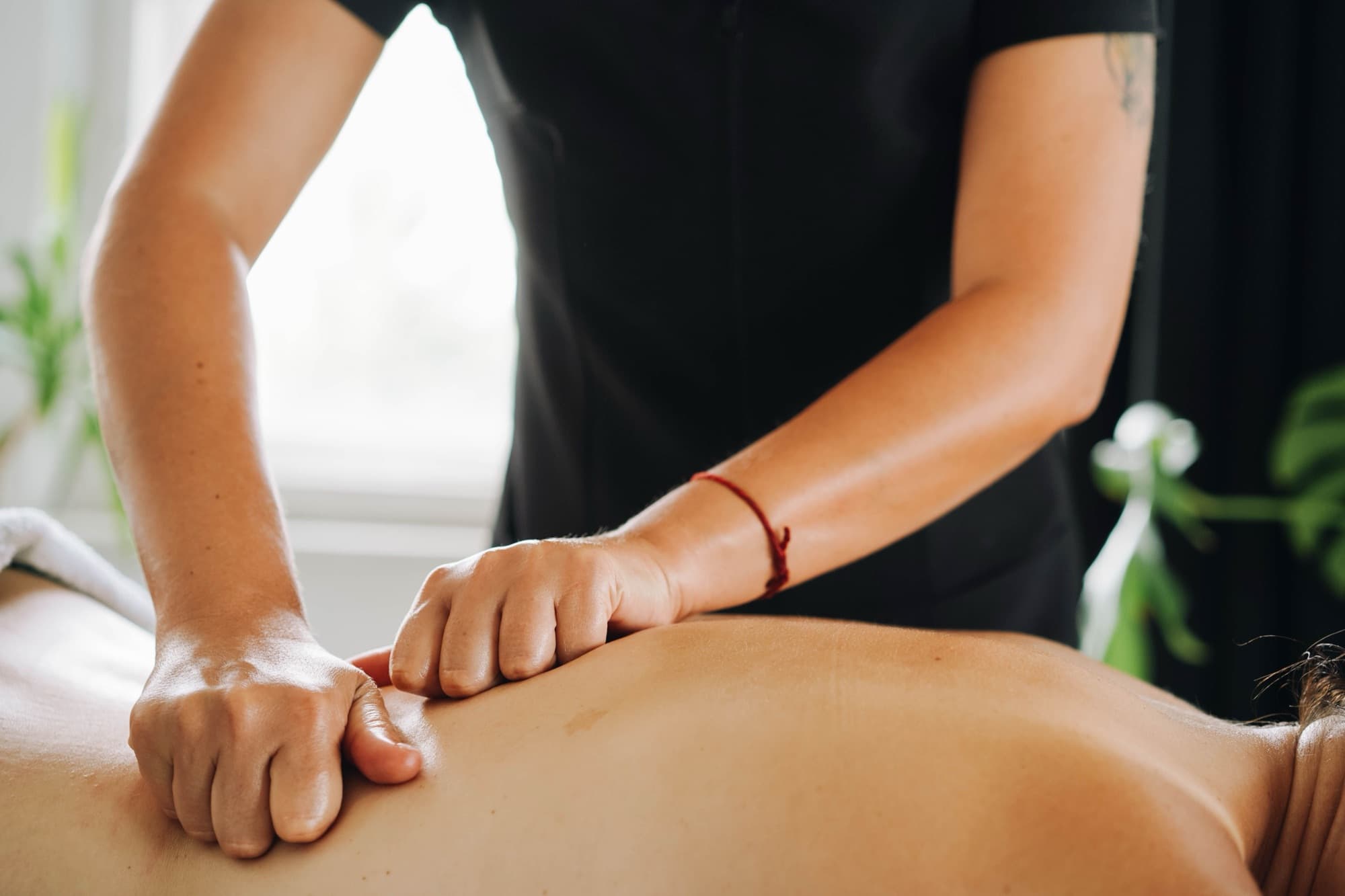
Tui na (acupressure)
Chinese therapeutic massage.
Hands-on Chinese massage that works your muscles and circulation like skilled bodywork, applied along traditional lines. People use it to loosen a stiff neck or back and to unwind, and some sleep better after. It works through the same physiology as good massage, and early studies point in a positive direction, with more research to build on.
Meta-analysis, 5 RCTs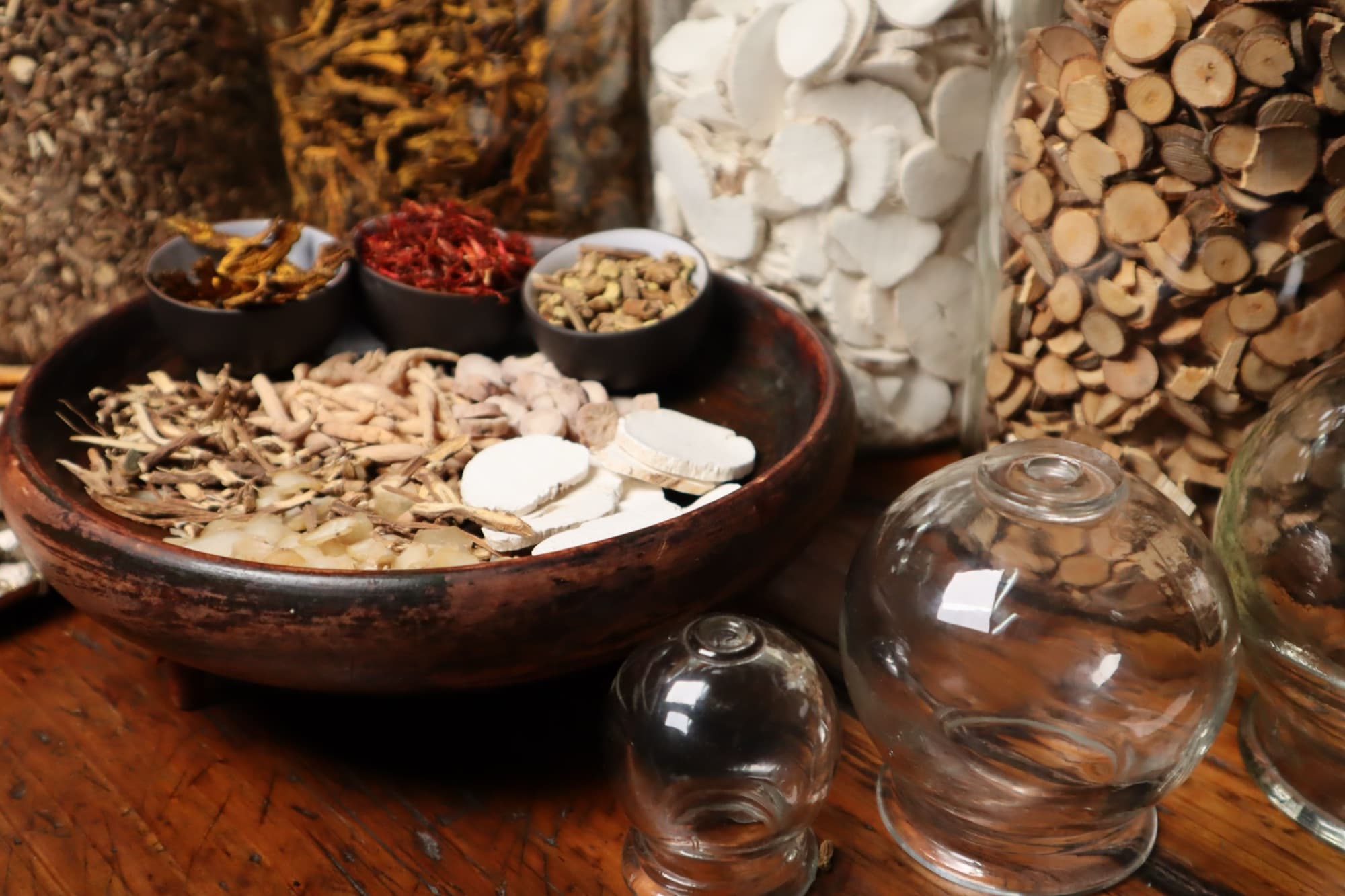
Natural herbal medicine
Personalized herbal formulas.
A practitioner matches a personalized formula to you, the most prescription-like of these practices. In the US these are sold as dietary supplements rather than FDA-approved drugs, and research is still growing. Worth exploring with a practitioner, and a quick word with your doctor, especially if you take other medications.
NCCIH (NIH)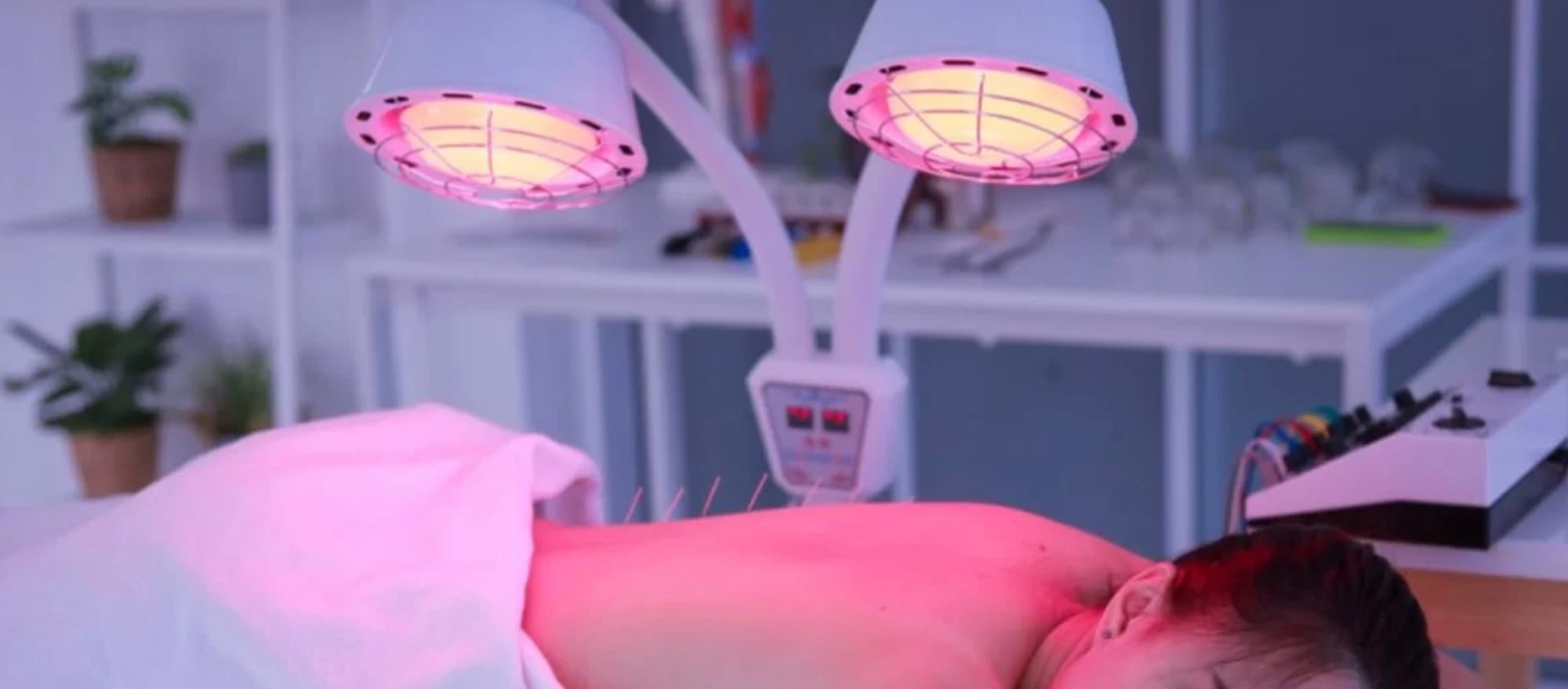
Infrared treatment
Deep, radiant heat over a sore area.
A far-infrared lamp (the reddish heat lamp in many clinics, often called a TDP lamp) warms the tissue directly, widening local blood vessels and lifting blood flow to the area. That can relax tight muscles and ease stiffness, and early studies suggest it may help ease pain in spots like an arthritic knee. It’s a comfortable, low-risk addition to your care, with more research still building.
Systematic review, PMCReal talk
Stuff people actually ask
So, does it actually work?
For some things the research is solid and consistent (see the numbers above), for others it's early or thin. We only make a specific claim where we can point to the research, and we tell you how solid it is.
Is it safe?
With a trained pro and sterile, single-use needles, serious problems are rare, usually just mild soreness or a small bruise. Most reported issues trace back to untrained hands, which is why who you see matters.
Does it hurt?
The needles are about as thin as a hair, nothing like a shot. Most people feel a tiny pinch at most, then usually settle in and relax while they're in.
How many sessions will I need?
It's usually a course over a few weeks, not a one-off. Your practitioner will map out a plan based on what you're working on.
A quick note: KeepCare content is for learning, not medical advice.
Work with your practitioner to find the treatment that’s right for you.
Ready to see who does this well near you?
Every acupuncturist on KeepCare is hand-picked by us.